If you’re a small business owner trying to build a consistent look without hiring a designer, choosing the best AI image generator for business branding can save you weeks of trial and error. The three tools people compare most often are Midjourney, Ideogram, and OpenAI’s image tool—but that last one has quietly changed its name and engine in 2026, which trips up a lot of buyers.
Quick answer: For polished, artistic brand visuals (mood boards, hero images, social banners), Midjourney still leads. For anything that needs readable text baked into the image—logos, posters, packaging mockups—Ideogram is the stronger pick. For business owners who already live inside ChatGPT and want branding help woven into the same conversation as their copywriting, OpenAI’s current image tool is the most convenient option.
Here’s what changed with the third name in that title before we go further: DALL-E 3 no longer exists. OpenAI retired the DALL-E 3 API on May 12, 2026, and is shutting down the standalone DALL-E GPT inside ChatGPT on August 30, 2026. If you sign up today, you’re actually using ChatGPT Images, powered by the GPT Image 2 model. It’s a genuine upgrade, and this guide treats it as the real answer to “What is DALL-E “now?”—since that’s what you’ll be paying for.
What Small Businesses Actually Need From a Branding Image Tool
Before picking a winner, it helps to separate what actually matters for brand work from what matters for hobbyist art generation. A small business doesn’t need the single most “artistic” tool—it needs consistency, usable licensing, and images that don’t require a design degree to fix afterward.
Three things decide whether a generator is genuinely useful for branding:
- Text accuracy — can it render your business name, a tagline, or a call-to-action without garbled letters?
- Style consistency — can you reuse the same character, mascot, or color palette across dozens of posts?
- Commercial rights clarity — can you legally put the output on a product, an ad, or a storefront sign?
Midjourney for Business Branding
Midjourney is the tool most people picture when they hear “AI “art”—painterly, atmospheric, and consistently good-looking even with a lazy prompt. For brand work, that’s a real advantage when you need a hero image, an Instagram aesthetic, or a mood board that doesn’t look like it came out of a template pack.
The catch is that Midjourney runs through Discord or its own web app rather than a chat interface, so there’s a small learning curve around prompt syntax and parameters like --ar aspect ratio.
Pricing & Plans
Midjourney has no free trial. As of mid-2026, it runs four monthly plans: Basic at $10, Standard at $30, Pro at $60, and Mega at $120, with a 20% discount if you pay annually. Every tier is billed by “fast GPU hours” rather than a fixed image count—a still image uses roughly one GPU minute, so Basic’s 3.3 hours can run out quickly if you generate daily. https://www.midjourney.com/
One detail that matters for branding specifically: private generation (Stealth Mode) requires the $60 Pro plan. On the cheaper tiers, your brand mockups sit in Midjourney’s public gallery, which isn’t ideal if you’re testing an unlaunched logo concept.
Pros and Cons for Branding Work
Pros:
- Most consistently attractive output with minimal prompt effort
- Strong at mood, lighting, and photorealistic product scenes
- Large community of prompt examples to learn from
Cons:
- No free tier, and Stealth Mode privacy costs extra
- Text rendering inside images is still weak—expect garbled logo text
- Discord-based workflow feels clunky for non-technical users

Ideogram for Business Branding
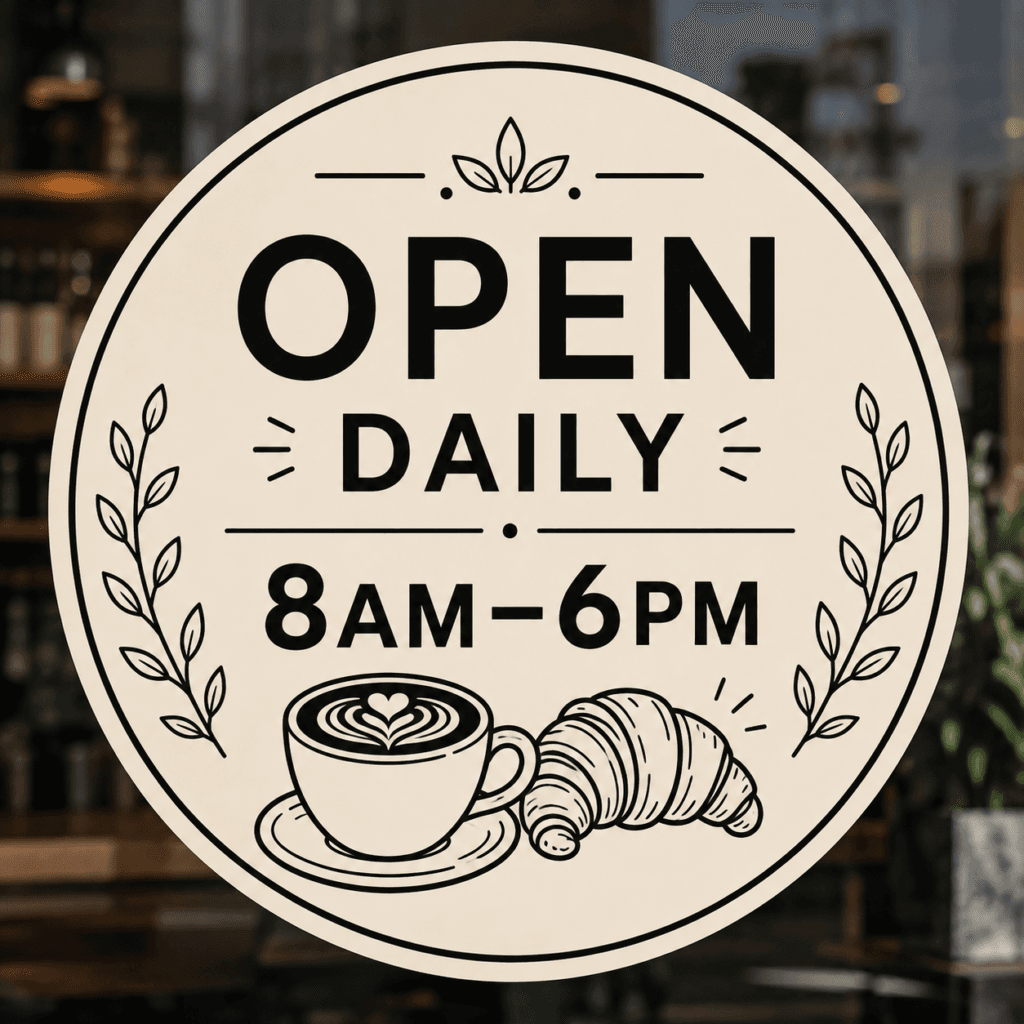
Ideogram built its reputation on solving the one problem every AI image generator historically struggled with: readable text. If your branding work involves a logo wordmark, a poster with a headline, or packaging that needs your business name spelled correctly, this is the category leader.
Independent testing puts Ideogram’s text accuracy around 90%, compared to roughly 30% for Midjourney — a gap wide enough to change which tool you’d actually hand to a client. https://ideogram.ai
Pricing & Plans
Ideogram offers a genuinely usable free tier: about 10 slow-queue credits per day, enough for casual testing, though free images post to a public gallery. Paid plans start around $15–20/month for the Plus tier with roughly 1,000 priority credits, scaling up to a Pro tier near $42–48/month with several thousand credits and API access. Exact credit allotments shift as Ideogram updates its plans, so it’s worth checking the live pricing page before subscribing Ideogram
Pros and Cons for Branding Work
Pros:
- Best-in-class text rendering for logos, signage, and posters
- Commercial usage rights included even on some free-tier output
- Character and style consistency tools for repeatable brand assets
Cons:
- Overall artistic polish trails Midjourney for pure mood/lifestyle shots
- Free tier images are public, which matters for unlaunched branding
- Pricing tiers and credit amounts have changed more than once in 2026
DALL-E’s Successor: ChatGPT Images (GPT Image 2)
This is the tool most people still search for by the name “DALL-E,” so it’s worth being direct: DALL-E 3 is gone, and what replaced it inside ChatGPT is a meaningfully stronger model called GPT Image 2, branded as ChatGPT Images.
The appeal for a small business owner isn’t raw artistic quality—it’s convenience. If you’re already using ChatGPT to write captions, ad copy, or product descriptions, you can generate the matching image in the same conversation and iterate with plain-English feedback like “make the background warmer” or “add our tagline at the bottom.”
Pricing & Plans
ChatGPT’s free tier includes a small daily allowance of images, though volume is limited and some regions now show ads on the free plan. ChatGPT Plus, at $20/month, includes GPT-4 Image 2 generation with no separate image add-on fee, alongside the rest of ChatGPT’s writing and research features—useful if branding visuals are just one part of your marketing workflow.
Pros and Cons for Branding Work
Pros:
- Fastest workflow if you’re already writing marketing copy in ChatGPT
- Strong prompt-following, so complex multi-element scenes come out closer to what you asked for
- Commercial rights included by default, even on the free tier
Cons:
- Artistic style options are narrower than a purpose-built art generator
- Content filters can be stricter, occasionally blocking harmless branding prompts
- The DALL-E name is being phased out, which causes confusion when researching tutorials
Best AI Image Generator for Business Branding: Side-by-Side Comparison
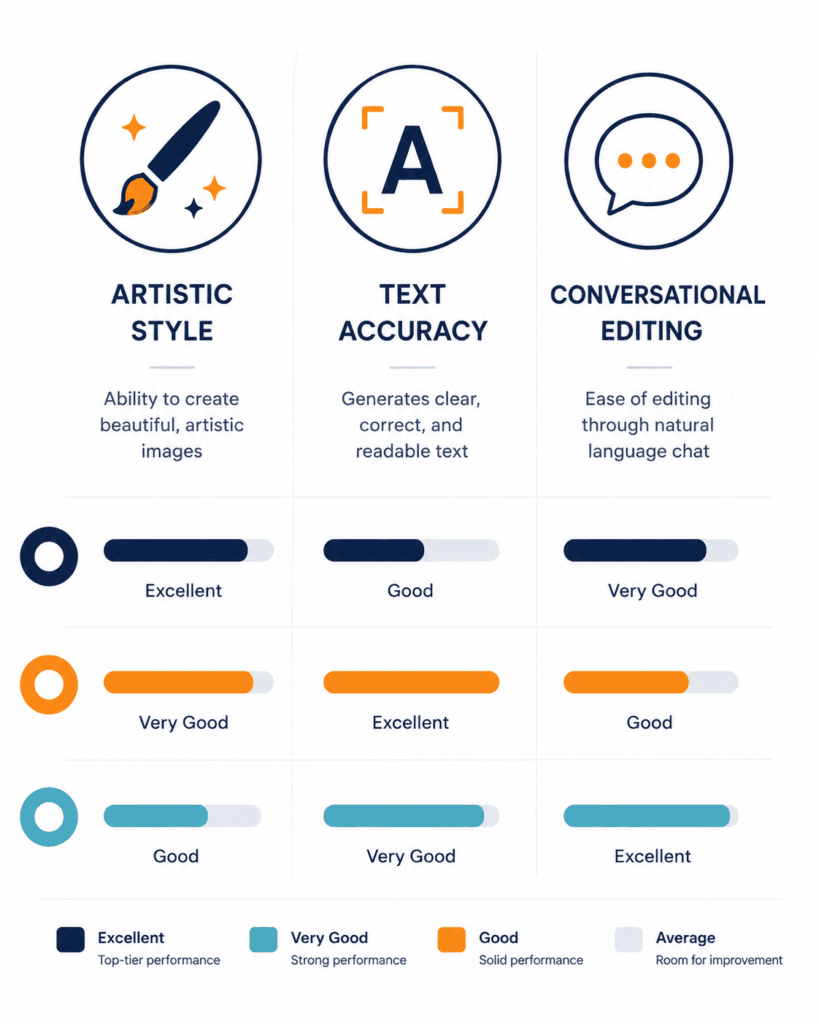
| Tool | Best For | Price | Key Feature | Main Limitation |
| Midjourney | Polished lifestyle and mood-driven brand visuals | $10–$120/mo, no free tier | Highest overall artistic quality | Weak text rendering; Stealth Mode costs extra |
| Ideogram | Logos, posters, and anything with in-image text | Free tier, then ~$15–$48/mo | Best-in-class text accuracy (~90%) | Free tier images are public |
| ChatGPT Images (formerly DALL-E) | Businesses already writing copy in ChatGPT | Free tier limited, Plus $20/mo | Free tier limited, Plus $20/mo | Narrower artistic style range |
Which Is the Best AI Image Generator for Business Branding?
There isn’t one universal winner — the right choice depends on what your brand actually posts. A boutique or café leaning on aesthetic, editorial-style content will get more value from Midjourney’s output straight out of the gate. A local service business that needs flyers, signage, or a logo with the business name spelled correctly should start with Ideogram, since fixing garbled text in Photoshop afterward defeats the point of using AI in the first place. And a solo founder who’s already drafting Instagram captions and email copy in ChatGPT will find it hard to beat the convenience of generating the matching image in the same chat.
A workable approach many small businesses land on: use Ideogram for anything with words in it—packaging, posters, and wordmark concepts—and Midjourney for pure mood and lifestyle imagery where no text is needed. That combination costs more than picking one tool, but it plays to each generator’s actual strength rather than forcing one model to do a job it’s weak at. If you’re still refining how you word your prompts to get consistent results across tools, it’s worth reading up on writing better AI image prompts for consistent brand visuals [internal link: How to Write AI Image Prompts for Consistent Brand Visuals] before committing to a paid plan.
How to Choose Based on Your Branding Needs
- If your content is mostly lifestyle photography and mood-driven posts: start with Midjourney’s Basic plan and upgrade only if you need Stealth Mode privacy.
- If your content includes logos, flyers, or any text-heavy graphic, start with Ideogram’s free tier before paying for anything.
- If you want branding folded into your existing content workflow: ChatGPT Plus covers image generation and copywriting in one subscription.
- If budget is tight and you’re just testing concepts: Ideogram’s free tier and ChatGPT’s free tier together cover most early-stage needs without a monthly commitment—a comparison also worth checking against a broader roundup of AI tools with free trials.
Best AI Writing Tools for Bloggers in 2026 (Tested and Compared)
None of these tools fully replace a human designer for a final, court-defensible trademark-ready logo — a trademark attorney or a professional designer should still review anything you plan to register.
Frequently Asked Questions
Is Midjourney or Ideogram better for a small business logo? Ideogram, in most cases, because logos usually need readable text and Ideogram renders words far more reliably than Midjourney.
Can I use AI-generated images commercially for my business? Generally yes, on paid plans from all three tools reviewed here, but always check the specific plan’s terms, since free-tier rules and revenue thresholds vary by provider.
What happened to DALL-E? OpenAI retired DALL-E 3’s API on May 12, 2026, and is retiring the DALL-E GPT inside ChatGPT on August 30, 2026. Image generation continues under a new model, GPT Image 2, branded as ChatGPT Images.
Is there a free AI image generator good enough for business branding? Ideogram’s free tier and ChatGPT’s free tier are both usable for testing concepts, though images may be limited in volume or posted publicly, so most businesses eventually move to a paid plan for private, unlimited generation.
Which is the best AI image generator for business branding on a $20/month budget? ChatGPT Plus at $20/month is the most complete package at that price, since it bundles image generation with copywriting tools you’ll likely already need.
Do these AI tools replace a professional graphic designer? Not entirely. They’re strong for social content, drafts, and concept testing, but a final trademark-ready logo usually still benefits from a professional designer’s review.
Can I keep the same brand character or mascot consistent across images? Ideogram and Midjourney both offer character/style reference tools for this, though results are more reliable in Ideogram for anything involving repeated text elements.
Conclusion
Choosing the best AI image generator for business branding comes down to matching the tool to what you actually post: Midjourney for polished, wordless mood imagery; Ideogram when your visuals need readable text; and ChatGPT Images (the tool most people still call DALL-E) when convenience and an all-in-one workflow matter most. The most practical next step is picking one free or entry-level plan—Ideogram’s free tier is the lowest-risk starting point—and testing it against a real piece of content you were already planning to publish this week.
